

Industries We Certify
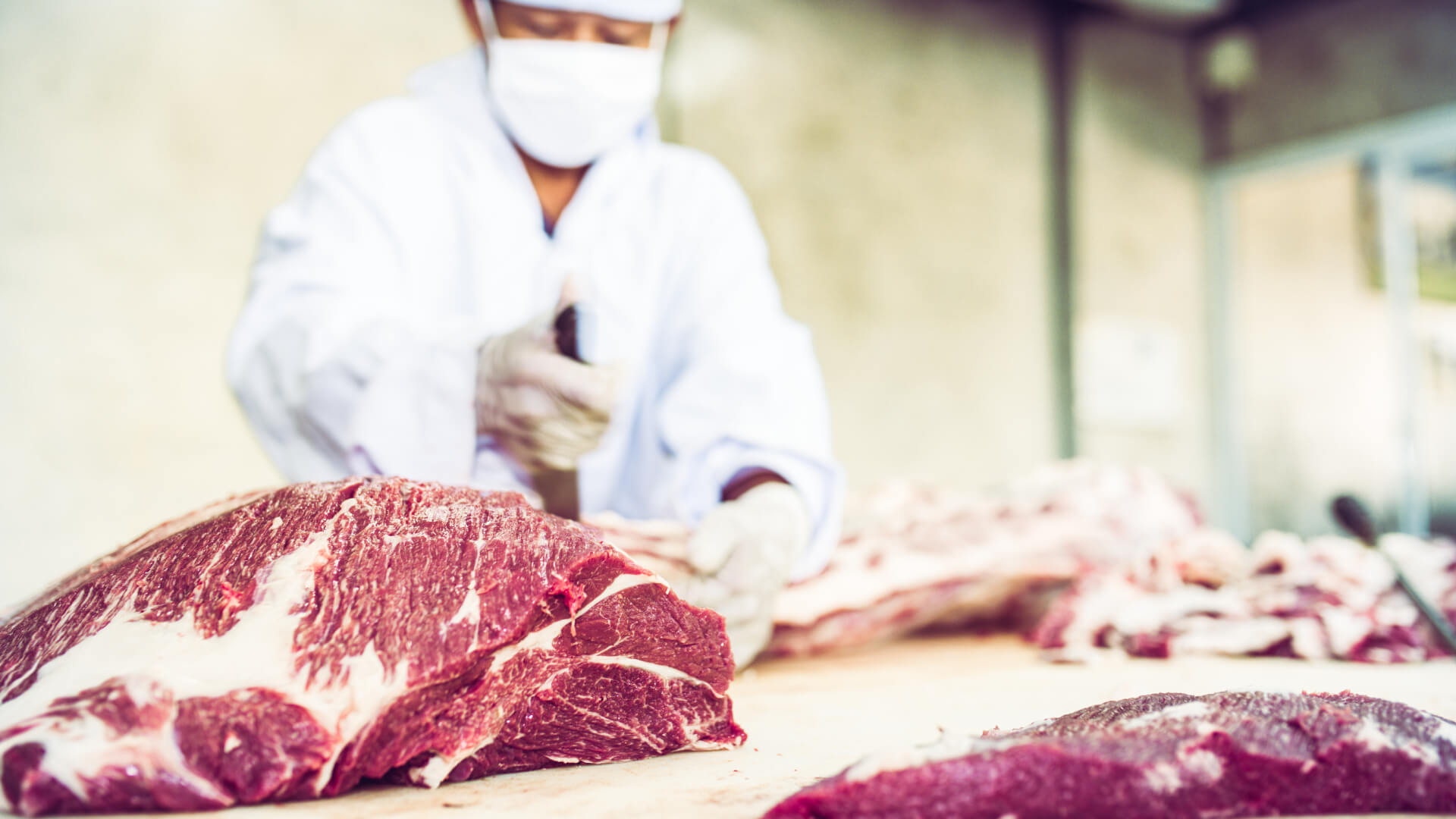






Meat
Halal Compliance Features
- Islamic Slaughter (Zabiha): Animals must be slaughtered by a qualified Muslim slaughterman according to Shariah (mentioning Bismillah and cutting key vessels) with complete drainage of blood.
- Animal Welfare & Handling: Humane treatment, minimal stress, and compliance with animal welfare laws.
- Bleeding & Hygiene: Tools and surfaces clean, sharp, and free from contaminants; blood thoroughly removed.
- Segregation: Halal carcasses must be separated from non-Halal at all steps (processing, storage, transport) to avoid cross contamination.
- Traceability & Documentation: All slaughter records, audits, and monitoring must be documented.
Importance of Halal Certification for Red Meat
- Guarantees to Muslim consumers that meat meets religious dietary laws.
- Confirms ethical, humane handling consistent with Islamic and global standards.
Business Growth Perspective
- Opens access to markets with large Muslim populations (Middle East, Southeast Asia).
- Halal certification increases product trust, consumer preference, and export opportunities into high demand regions.
- Halal meat products can command premium pricing owing to assurance and trust.
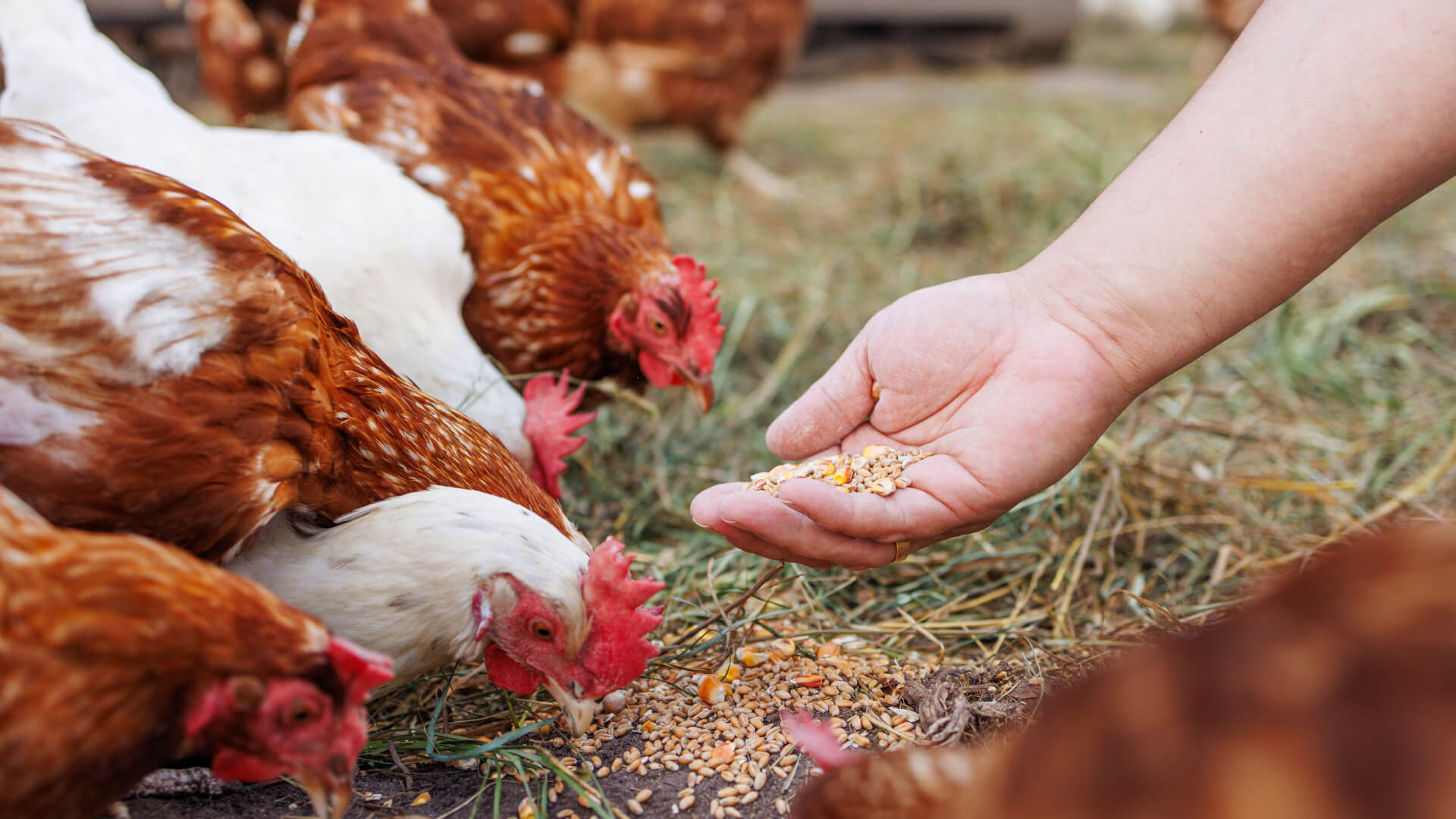
Poultry
Halal Compliance Features
- Shariah‑Compliant Slaughter: Birds must be slaughtered in accordance with Islamic law.
- Inspections & Audits: FIANZ HALAL personnel perform ongoing audits of stunning recovery and slaughter standards.
- Cross‑Contamination Controls: Strict separation from non‑Halal lines in processing and storage.
- Cleaning & Sanitation: Equipment must be adequately cleaned before Halal batches.
Importance of Halal Certification for Poultry
- Poultry is a staple protein — consumers require assurance that slaughtering and processing comply with Islamic dietary law.
Business Growth Perspective
- Enables entry into global Halal poultry markets (~2 billion Muslim consumers).
- Certification differentiates products in competitive markets and increases shelf acceptance by retailers focusing on Halal consumers.
- It visually signals Halal trust, enhancing brand reach and loyalty.
- FIANZ HALAL offers both Hand Slaughter and Semi Mechanical Slaughter Methods, giving business flexibility and Shariah compliant options
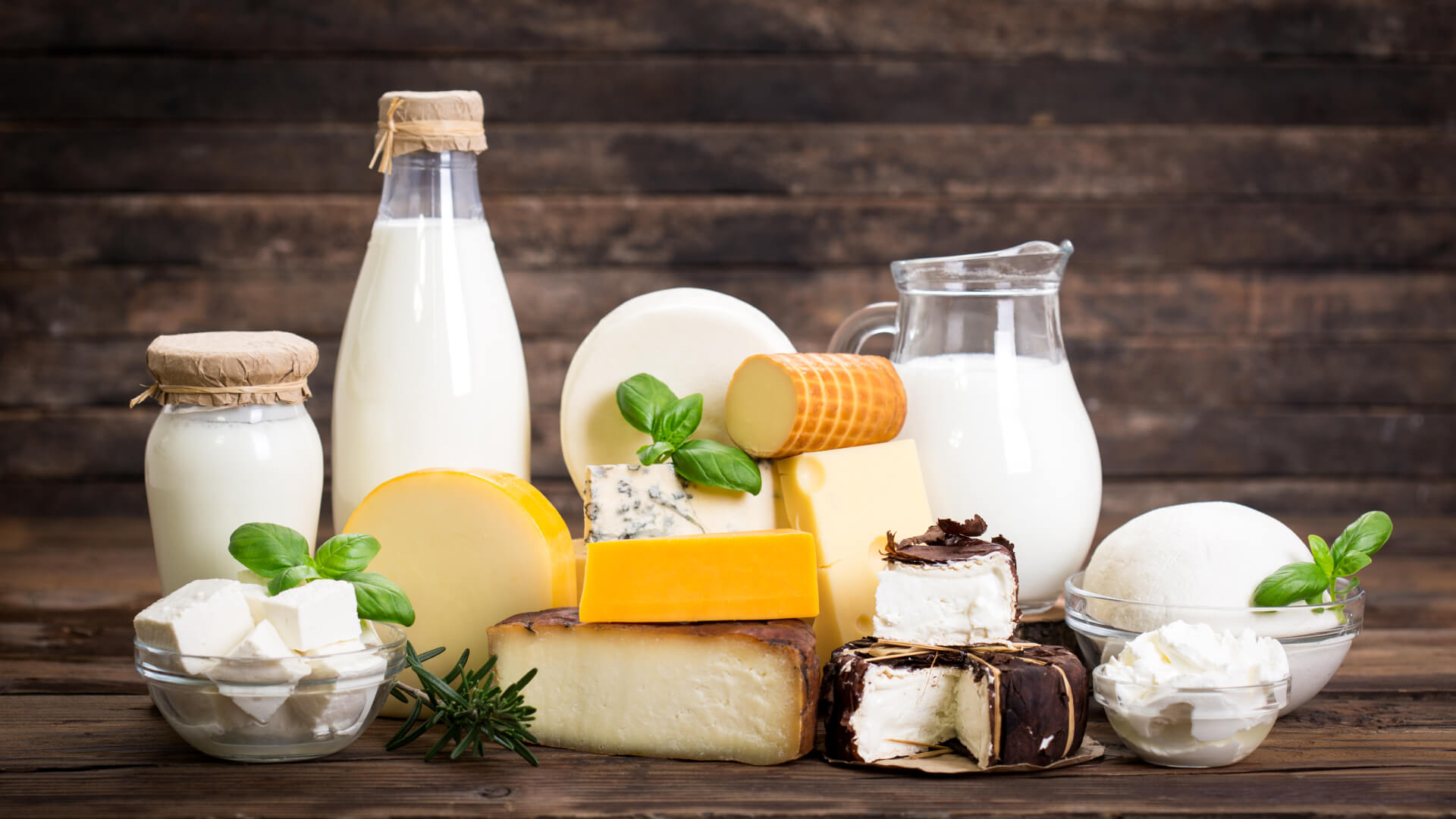
Dairy
Halal Compliance Features
- Source Verification: All milk and dairy inputs must come from Halal‑acceptable sources (e.g., no enzymes from non‑Halal animals).
- Processing Integrity: Production lines must not introduce non‑Halal additives (e.g., non‑Halal rennet).
- Segregation & Cleaning: Avoidance of cross‑contact with non‑Halal products; verified cleaning protocols.
- Documentation: Full traceability from raw milk to finished product.
Importance of Halal Certification for Dairy
Confirms that dairy products (milk, cheese, yogurt) do not contain prohibited animal derivatives or contaminants.
Business Growth Perspective
- Dairy Exports valued at $19b per annum Approx 30% ($5.8b) of all Dairy is certified as Halal
- Dairy products with Halal certification reach Muslim and non‑Muslim consumers who associate the mark with quality, safety, and ethical sourcing.
- Expands market access locally and internationally, boosting product appeal and resale opportunities.
- China is the largest market in Dairy with 31% share, followed by USA, Australia & Indonesia
- Dairy consumption is over indexing in Australia, Algeria, Malaysia, KSA and UAE
Processed Food & Beverages
Halal Compliance Features
- Halal Ingredients: All raw materials and additives must be Halal‑certified (no pork, alcohol, haram animal derivatives).
- Process Documentation: Every step of production must be recorded and auditable.
- Segregation of Lines: Halal production lines must be physically or operationally separated if shared with non‑Halal.
- Storage & Transport Controls: Maintain product Halal status with clear labeling and separated storage.
- Labeling: Clear Halal certification mark on products.
Importance of Halal Certification for Processed Food & Beverages
- Essential because processed foods may contain hidden haram components (alcohol, porcine derivatives).
- Provides assurance that the entire process meets Halal standards.
Business Growth Perspective
- Certification connects brands to a global $7–10 trillion Halal market, enabling growth beyond local demand.
- It boosts competitiveness, brand trust, and profitability as consumers increasingly seek certified products.
- Certification may allow premium pricing and greater shelf visibility.
Chemicals & Pharmaceuticals
Halal Compliance Features
- Ingredient Purity: All chemicals and excipients must be free from non‑Halal substances (e.g., porcine gelatin, prohibited alcohol).
- Traceability: Full documentation of chemical sources and processing steps.
- Processing Controls: No cross‑contamination during manufacture, validated cleaning of shared equipment where necessary.
- Certification of Supplier Materials: Supplier declarations or Halal certificates for inputs.
Importance of Halal Certification for Chemicals and Pharmaceuticals
- Ensures that chemicals used indirectly in food or pharmaceutical processes do not compromise Halal identity.
- For pharmaceuticals, Halal certification confirms ingredient and manufacturing compliance unless a life‑saving necessity applies.
Business Growth Perspective
- Opens markets for Islamic and global consumers sensitive to Halal pharmaceutical integrity.
- CERTIFIED products gain trust among health professionals and consumers alike.
- Helps in contracting with global manufacturers and exporters who require Halal compliance.
- FIANZ HALAL is the only AHO which has chemicals scope for Indonesia
Cosmetics
Halal Compliance Features
- Ingredient Compliance: All cosmetic ingredients must be Halal‑certified — no non‑Halal‑derived emulsifiers, stearates, or alcohol not permitted by Islamic jurisprudence.
- Traceability: Original source documentation required for every component.
- Production Segregation: Prevent non‑Halal contamination via shared facilities.
- Labeling & Packaging Integrity: Packaging must not introduce non‑Halal materials; Halal logo on finished product.
Importance of Halal Certification for Cosmetics
- Muslim consumers often consider application products (salves, creams) under Halal dietary jurisprudence.
- Certification signals compliance with ethical, religious, and quality standards.
Business Growth Perspective
- Halal cosmetics market is growing fast (expected significant increase through 2025).
- Certification expands addressable market, increases consumer trust, and differentiates brands.
- It helps products penetrate both Muslim‑majority and ethically conscious non‑Muslim markets.
Packaging
Halal Compliance Features
- Material Compliance: Packaging components must be Halal‑acceptable — no animal fats (e.g., gelatin), prohibited additives, or contaminants.
- Separate Handling: Halal packaging must be stored and handled apart from non‑Halal items.
- Clean Processes: Packaging lines must be cleaned and verified before use for Halal products.
- Label Accuracy: Labels should clearly identify Halal status without misleading claims.
Importance of Halal Certification for Packaging
- Halal integrity can be lost if packaging contains prohibited elements (e.g., animal fats).
- Certification ensures the entire product — not just the contents — is Halal.
Business Growth Perspective
- Allows packaging suppliers to serve the Halal food and goods sectors.
- Boosts market share and trust with manufacturers who require Halal supply chains.
- Certified packaging supports brands entering Halal export markets.
Storage
Halal Compliance Features
- Segregation: Halal goods must be stored separately from non‑Halal items to avoid cross‑contamination.
- Clear Labelling & Control: Clearly labelled inventory areas with documented procedures.
- Clean Environment: Storage facilities should comply with hygiene standards and avoid contact with non‑Halal materials.
- Traceability Records: Maintain storage records for trace‑back purposes.
Importance of Halal Certification for Storage
- Halal products can become non‑Halal if stored improperly with non‑Halal items — certification ensures good practices throughout the supply chain.
Business Growth Perspective
- Provides assurance to partners and customers that Halal integrity is protected beyond production.
- Strengthens logistical offerings for Halal‑certified brands seeking compliant storage and distribution partners.
- Supports participation in Halal export markets where supply chain control is mandatory.
Eateries
Halal Compliance Features
- Ingredient & Menu Compliance: All food ingredients, additives, marinades, oils, and processing aids must be Halal-compliant. No pork, pork derivatives, non-Halal meat, or alcohol-based ingredients not permitted under Islamic jurisprudence.
- Approved Meat Sourcing: All meat and poultry must be sourced from FIANZ Halal-certified slaughterhouses with valid documentation.
- Traceability & Supplier Verification: Full traceability required for ingredients, suppliers, and meat invoices to ensure ongoing compliance.
- Food Preparation & Handling Controls: Strict segregation between Halal and any non-Halal items, including storage, utensils, cooking surfaces, fryers, and serving areas.
- Kitchen & Staff Practices: Staff training on Halal handling, cleaning protocols, and cross-contamination prevention.
- Labeling & Consumer Transparency: Clear Halal signage displayed at the premises, with certification status communicated to customers.
Importance of Halal Certification for Eateries
- Muslim consumers rely on Halal certification to ensure food served is fully compliant from sourcing to service.
- Certification provides confidence that Halal principles are upheld beyond ingredients, including preparation, hygiene, and handling.
- FIANZ Halal certification is widely recognised and trusted, offering reassurance to local and international Muslim diners.
Business Growth Perspective
- The demand for Halal-certified dining is expanding rapidly across New Zealand, driven by tourism, migration, and growing consumer awareness.
- Halal certification enables eateries to attract a wider customer base, including
- Muslim families, international visitors, and ethically conscious consumers.
- Certification enhances brand credibility, differentiates eateries in a competitive market, and supports long-term business sustainability and growth.